ISO
ISO 9001 quality management
Used to frame production control, corrective action discipline and repeatability expectations across rubber and polymer programs.

Habasit material programs
Habasit supports sourcing teams that need practical product shortlists, application evidence, sample planning, and documentation for elastomer, plastic processing, packaging, and resin-adjacent projects without turning every RFQ into a blind catalog search.
Comparison framework
The table helps teams compare adhesive and elastomer decisions using measurable conditions before asking for samples.
| Decision point | Acrylic foam / adhesive path | Rubber / silicone path |
|---|---|---|
| Typical need | Bonding trim, plastic repair, signage, electronics attachment | Electrical insulation, splicing, sealing, cushioning, marine joints |
| Key inputs | Surface energy, dwell time, thickness, peel target | Durometer, compression set, temperature, fluid exposure |
| Risk signal | Low surface energy plastic or contaminated paint | Oil, ozone, UV, steam, or repeated flexing |
| Evidence requested | Adhesion method, substrate list, aging notes | Material data, compatibility notes, installation conditions |
| Trial output | Bond line recommendation and conversion notes | Seal, tape, or rubber component shortlist |
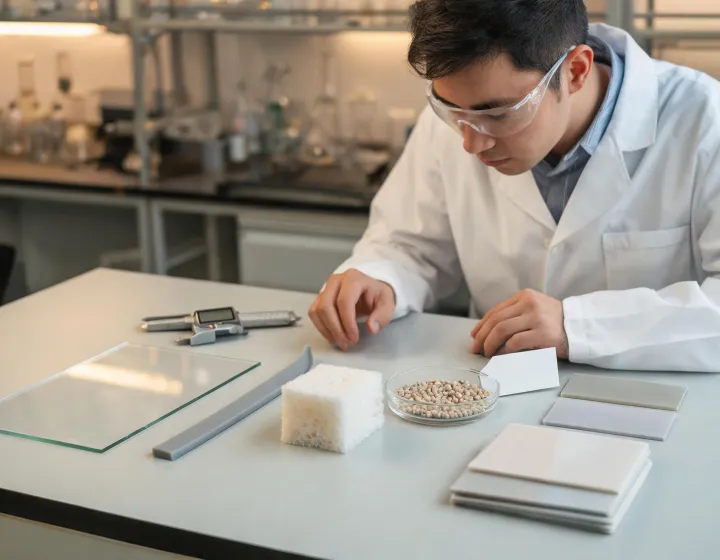
Temperature, chemical exposure, impact needs, surface feel and regulatory context are captured before a grade shortlist is discussed.
Teams can weigh polycarbonate clarity against scratch resistance, TPU flexibility against hydrolysis risk, and recycled content against qualification timing.
Datasheets, processing notes, declarations and sample requests are organized around the stage of your project rather than a generic download list.
When a concept moves forward, the same inquiry can become a mold-trial discussion, procurement review or sustainability checkpoint.
Used to frame production control, corrective action discipline and repeatability expectations across rubber and polymer programs.
Applied where customers need PPAP-oriented launch evidence, change control and automotive quality language.
Helpful for European compliance reviews and material risk screening before a compound is approved.
Relevant to rubber and polymer components entering electronics, automation and control cabinet environments.
Application Environments
Silicone tubing and elastomers reviewed for clean contact, pump life, sterilization assumptions, and document traceability.
Films, tapes, and plastic components selected around sealing behavior, printability, food-contact status, and converting stability.
PTFE and engineered plastics considered for insulation, dielectric behavior, chemical exposure, and dimensional control.
Rubber and plastic parts scoped for abrasion, movement, heat, maintenance cycles, and operating environment.
Tubing, seals, and tapes checked against cleaning chemistry, pressure changes, and batch documentation requirements.
Include the current material, failure mode, target launch date and any compliance requirement. We will respond with the questions that actually shape a rubber or TPU recommendation.